





ERA Test for IVF
The issue of uterine lining receptivity and its impact on pregnancy is one of our patients’ most frequently asked questions


A US study on ERA (Endometrial Receptivity Analysis) points, yet again, to the futility of looking at endometrial lining receptivity as an explanation for failed IVF treatments.
In this study, patients who did not undergo ERA testing and those whose ERA result was “non-receptive” had the same probability of live birth as patients with a “receptive” ERA result. Interestingly, there was a trend toward higher live births among patients without the ERA test.
The issue of uterine lining receptivity and its impact on pregnancy is one of our patients’ most frequently asked questions.
However, studies implicating uterine receptivity as a significant factor in fertility treatment success are lacking. On the other hand, evidence suggests that the role of uterine lining receptivity as a decisive factor in human conception is limited.
Notably, women can have ectopic pregnancies (tubal, ovarian, cervical, abdominal), indicating that embryos can implant in environments that might be considered hostile.
Contemporary data suggest that pregnancy outcomes are determined at the moment of embryo creation (fertilization) and that subsequent pregnancy events (embryo hatching, implantation, and fetal development) merely unfold this predetermined outcome.
In conclusion, embryo quality, rather than uterine receptivity, is the most significant factor influencing the outcome of reproductive treatments.


Meet Your Doctor
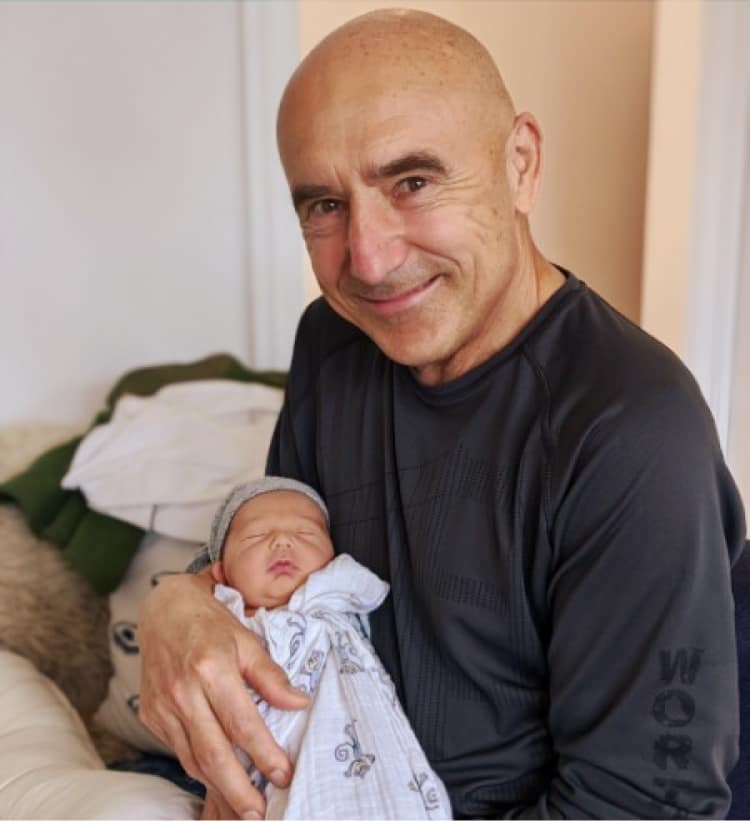
- Dr. Frank Polansky completed his fellowship in Reproductive Endocrinology and Infertility at Stanford in 1985 and co-founded Stanford’s IVF program that year. He later established Nova IVF in 1987 and Bay IVF in 2011.
- At Bay IVF, he personally guides your treatment and performs your ultrasounds, egg retrieval, and embryo transfer. You work with the same doctor throughout your care, with time to discuss your questions and next steps.
Frank Polansky, M.D.


Your First Conversation
Our patient coordinator will ask a few questions about your reproductive history and help arrange your consultation. You’re welcome to ask about appointments, treatment costs, and what to expect.
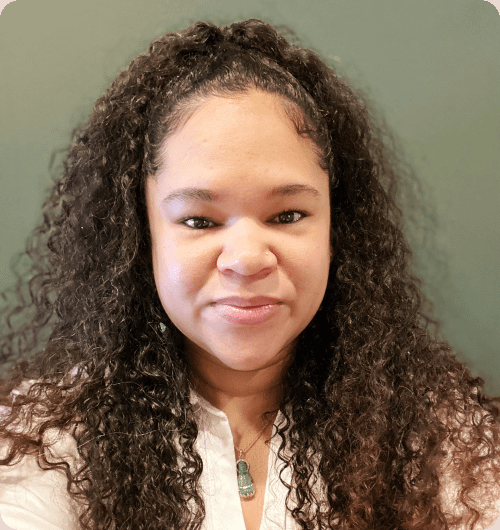
This is Erica
Erica helps you coordinate appointments and stay informed throughout your care.

Your Initial Visit at Bay IVF
Your first in-person visit is a chance to get to know us, discuss your goals, and understand your options. We’ll explain each step and make time for your questions.

When You Arrive
You will be welcomed by one of the clinic’s receptionists. One of our nurses will measure your height and weight and take your blood pressure.

Meet Your Doctor
Dr. Polansky will ask you a series of clarifying questions and then provide you with a summary of the factors contributing to your infertility.

Ask Your Questions
You will then have a discussion with him about the most suitable reproductive treatment(s) for you. During this time, you will have the opportunity to ask any questions you may have.

Exam Room
One of the nurses will escort you to an examination room. Your examination will begin with listening to your lungs and heart.

Ultrasound of the Ovaries
The next step is a pelvic ultrasound to examine the uterus and ovaries. This ultrasound will help determine the number of antral follicles present within the ovaries.

Treatment Costs
After that, you will discuss the financial aspects of your treatment with one of the financial advisors, including potential financing options.

Questions After Your Visit
If you have any questions after leaving the clinic, please feel free to reach out to us by phone, text, or email. Open and discreet communication is an integral part of the care we provide at Bay IVF.

What About Time?
Your entire visit is expected to last approximately one hour.


Request Your Consultation
Meet with Dr. Polansky by video at no cost or schedule an in-person visit.
To get started, complete the form below. Our patient coordinator will call to answer your initial questions and arrange your appointment.
Prefer to call or text? 📞 650 322 0500



Let’s talk about your next step